Some research has even found that while all cherries are rich in antioxidants, tart cherries seem to have the most. Other studies give the edge to the sweet cherries. Luckily, you can’t go wrong whichever type you choose to consume: all types of cherries offer an abundance of nutrients that can benefit your health.
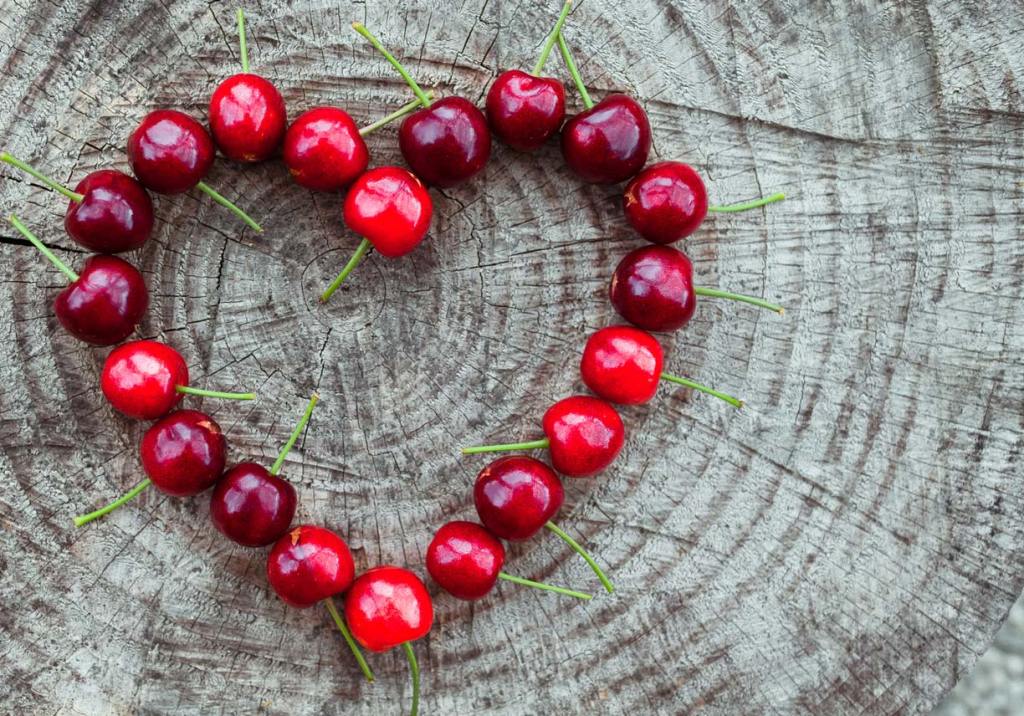
The impressive nutrition of cherries has led to research on their usage for a number of health conditions. So what are cherries good for, besides making us happy when we eat them? Here’s a summary of some of the research on the benefits of cherries for health (and no, I’m not — wait for it — cherry-picking).
1. May Help Treat Inflammatory Arthritis Gout
Sweet cherries may reduce inflammatory markers when eaten consistently and as a regular part of the diet, which could benefit conditions like arthritis gout. In one study, healthy men and women ate 45 cherries a day for a month (that sounds like a fun month to me!) and experienced a 25% reduction in C-reactive protein (a marker for inflammation).
2. Supports Heart Health
Cherries are especially high in antioxidant compounds called flavonoids, which may improve markers of cardiovascular health. Flavonoids can help prevent and endothelial dysfunction, which can lead to atherosclerosis and heart disease. Researchers found that 12 weeks of drinking two daily cups of tart cherry juice resulted in lower systolic blood pressure and LDL “bad” cholesterol levels in adults, as well as improved blood biomarkers of inflammation and oxidative stress (particularly related to heart health).
3. May Improve Your Sleep
Some research has found that eating cherries has a high success rate in reported sleep improvement, (there’s no mention if they led to sweet dreams, however). Melatonin, an antioxidant compound that promotes melanin formation and sleep, is found in both sweet cherries and tart cherries. Several studies have observed the ability of cherry consumption to improve both the quality and quantity of sleep hours. Tart cherry juice may even help reduce the severity of insomnia.
4. May Improve Exercise Recovery
Many runners, swimmers, and triathletes drink cherry juice before and after training and races, and some joke that it feels like they’re “doping” because the stuff is so powerful. For instance, in a 2020 study published in the Scandinavian Journal of Medicine & Science in Sports, researchers found that tart cherry juice improved recovery of muscle function after running a marathon by increasing antioxidant activity and reducing inflammation, as compared to placebo. (I do have to wonder how the researchers made a placebo version of tart cherry juice. It seems like it would be hard to keep the runners from knowing what they were drinking. But apparently, the researchers figured out a way, proving once again that science is amazing!).
Tart cherry juice also has research to support improving recovery of isometric muscle strength after intensive exercise by preventing oxidative damage. And in a 2016 study, endurance athletes who consumed 480 mg of tart cherry capsules once daily for 10 days experienced less muscle breakdown and immune and inflammatory stress, as well as better aerobic performance, compared to the placebo group.
5. May Regulate Glucose Levels
Cherries may also offer benefits for blood sugar control. For example, one study found that women with diabetes who consumed 40 mL per day of concentrated tart cherry juice for 6 weeks experienced a significant reduction in HgA1c, an indicator of long-term blood sugar control. Extracts from both sweet and tart cherries were able to prevent drug-induced diabetes among rats and mice in animal studies. This is likely related to the many antioxidant compounds found in cherries,
Note that cherries contain relatively high levels of pesticides, and given that fresh organic cherries can be harder to find and much more expensive, so if you eat non-organic fresh cherries, be sure to wash them well (by soaking them in a baking soda solution for 10 minutes and then rinsing them) before consuming. Now enjoy!
 Health With Gita