A young woman walks into the store in early January 2021 with a mask that keeps slipping below her nose. I don’t say anything for the first 10-15 mins. But after that I ask her politely to pull up her mask. She listens, buys a product and leaves. Returns after 10-15 mins to say “only if people cough or sneeze on you will u get infected. Otherwise masks are useless”. I respectfully disagreed. She said: “I am a nurse and all this covid news is conspiracy by the government”. I said politely (without rolling my eyes) that it is a federal mandate to wear masks in public places like gyms, stores, other enclosed spaces, so regardless of what she believes she needs to wear it properly. She said if she gets it, she gets it, its gods will. I just shrugged.
Customer walks into store asking for a specific testosterone product (he calls it tetsorone). I say we have it and I ask him what he wants it for. He wants to look like the guy who does the advertisement for this product on TV. I asked him what his diet and lifestyle is like. He says “I don’t need no advice or questions on diet and lifestyle..life is too short. I want to live hard and die young”.
Woman says she wants the new Apple Cider Vinegar gummies because her friend lost 10lbs in 2 months on it! I asked her what else does her friend do in terms of diet and exercise, she said she exercises regularly and also eats well, mostly vegetarian food. I gently said that maybe her friends diet and exercise is what is really contributing to her weight loss, not the ACV gummies. To which she replied “how do you know its not the ACV gummies that are causing the weight loss”? I said I really don’t know for sure but that given my health and nutrition background and my understanding of supplements, I am pretty sure her friends exercise and diet contributes quite heavily to her loss of weight. She thought about this for a second and then said, “well, I don’t really have the time to exercise, and I like my meat and potatoes, so just give me something that will make me lose the weight without having to do all this exercise and eating sh*t”. I told her we don’t carry any miracle pills and that any pills she takes will have minimal effect unless she changes her eating and moving habits. She said she wants to see what we have. So I showed her the weight loss supplements best suited to her sedentary life and she ended up spending $125 on them!
Woman walks in to buy Ashwagandha, an herbal supplement. I say it is a great supplement for a lot of health issues, but I ask her politely why she is taking it. She says, “my friend said it is good for your health and lifespan”. Wow, I thought to myself. Are we humans so easily swayed by other’s random opinions? What would it have taken her to look online and find some relatively reliable articles explaining Ashwagandha’s benefits? I suggested some sources to her and also mentioned what I thought MAY be some benefits to taking it, but also stressed that an overall healthy diet and lifestyle have to go hand-in-hand with any supplements. They are not magic pills. She looked quite confused and decided to “think about it” and left.
Some research has even found that while all cherries are rich in antioxidants, tart cherries seem to have the most. Other studies give the edge to the sweet cherries. Luckily, you can’t go wrong whichever type you choose to consume: all types of cherries offer an abundance of nutrients that can benefit your health.
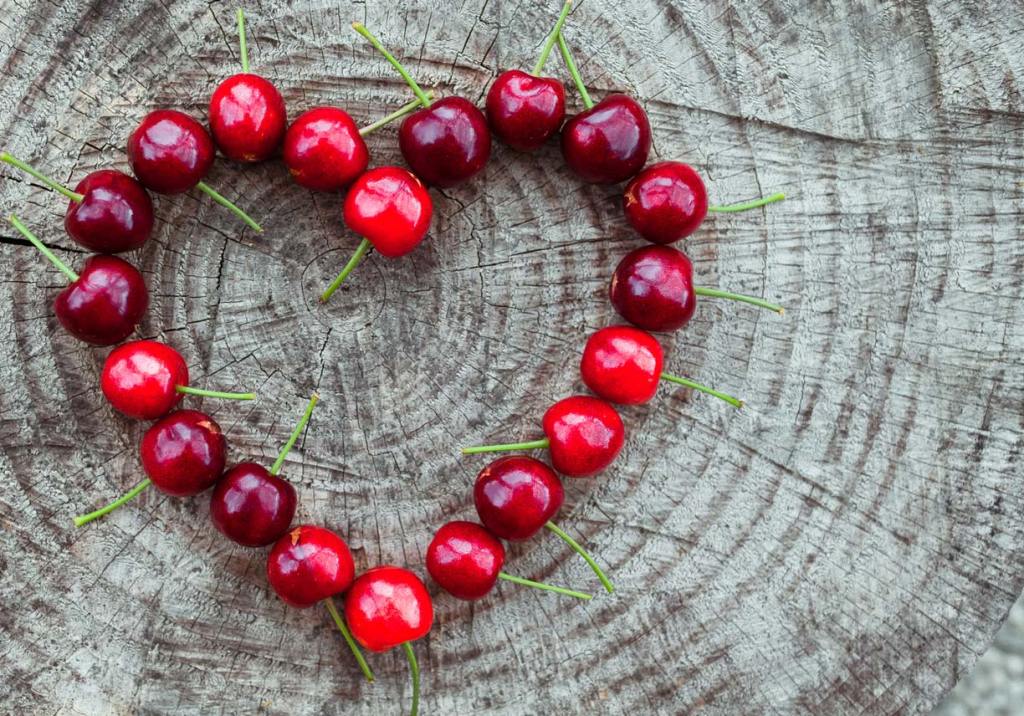
The impressive nutrition of cherries has led to research on their usage for a number of health conditions. So what are cherries good for, besides making us happy when we eat them? Here’s a summary of some of the research on the benefits of cherries for health (and no, I’m not — wait for it — cherry-picking).
1. May Help Treat Inflammatory Arthritis Gout
Sweet cherries may reduce inflammatory markers when eaten consistently and as a regular part of the diet, which could benefit conditions like arthritis gout. In one study, healthy men and women ate 45 cherries a day for a month (that sounds like a fun month to me!) and experienced a 25% reduction in C-reactive protein (a marker for inflammation).
2. Supports Heart Health
Cherries are especially high in antioxidant compounds called flavonoids, which mayimprove markers of cardiovascular health. Flavonoids can help prevent and endothelial dysfunction, which can lead to atherosclerosis and heart disease. Researchers found that 12 weeks of drinking two daily cups of tart cherry juice resulted in lower systolic blood pressure and LDL “bad” cholesterol levels in adults, as well as improved blood biomarkers of inflammation and oxidative stress (particularly related to heart health).
3. May Improve Your Sleep
Some research has found that eating cherries has a high success rate in reported sleep improvement, (there’s no mention if they led to sweet dreams, however). Melatonin, an antioxidant compound that promotes melanin formation and sleep, is found in both sweet cherries and tart cherries. Several studies have observed the ability of cherry consumption to improve both the quality and quantity of sleep hours. Tart cherry juice may even help reduce the severity of insomnia.
4. May Improve Exercise Recovery
Many runners, swimmers, and triathletes drink cherry juice before and after training and races, and some joke that it feels like they’re “doping” because the stuff is so powerful. For instance, in a 2020 study published in the Scandinavian Journal of Medicine & Science in Sports, researchers found that tart cherry juice improved recovery of muscle function after running a marathon by increasing antioxidant activity and reducing inflammation, as compared to placebo. (I do have to wonder how the researchers made a placebo version of tart cherry juice. It seems like it would be hard to keep the runners from knowing what they were drinking. But apparently, the researchers figured out a way, proving once again that science is amazing!).
Tart cherry juice also has research to support improving recovery of isometric muscle strength after intensive exercise by preventing oxidative damage. And in a 2016 study, endurance athletes who consumed 480 mg of tart cherry capsules once daily for 10 days experienced less muscle breakdown and immune and inflammatory stress, as well as better aerobic performance, compared to the placebo group.
5. May Regulate Glucose Levels
Cherries may also offer benefits for blood sugar control. For example, one study found that women with diabetes who consumed 40 mL per day of concentrated tart cherry juice for 6 weeks experienced a significant reduction in HgA1c, an indicator of long-term blood sugar control. Extracts from both sweet and tart cherries were able to prevent drug-induced diabetes among rats and mice in animal studies. This is likely related to the many antioxidant compounds found in cherries,
Note that cherries contain relatively high levels of pesticides, and given that fresh organic cherries can be harder to find and much more expensive, so if you eat non-organic fresh cherries, be sure to wash them well (by soaking them in a baking soda solution for 10 minutes and then rinsing them) before consuming. Now enjoy!
I was recently diagnosed with having iron-deficiency anemia, which came as a surprise to me given that I eat well-balanced, healthy foods and exercise regularly. I also did not have the classic symptoms associated with being anemic, such as weakness, dizziness, and fatigue. My diagnosis came to the surface under the recommendation of a friend. I had the test for anemia and it showed my iron levels were in the low range. So, I decided to do some research to find better ways to improve iron uptake and, more importantly, one’s capacity to absorb iron, through food as well as supplements.
The Centers for Disease Control and Prevention defines iron deficiency anemia as an iron deficiency with a low hemoglobin value, typically less than 120 g/L. It is characterized by red blood cells being small because of a lack of hemoglobin (a protein molecule in red blood cells that carries oxygen from the lungs to the body’s tissues and returns carbon dioxide from the tissues back to the lungs). An iron deficiency is not the only cause of anemia, so multiple measures of iron status should be taken to determine if anemia is truly the result of an iron deficiency. Although several dozen types of anemia exist (including anemia caused by low vitamin B12 levels), in this article “anemia” refers specifically to iron deficiency anemia.
Iron deficiency anemia is one of the most common mineral deficiencies in North America and in other parts of the world, but for different reasons. In America, it often results from “under-nutrition”—that is, eating unhealthy, refined, and highly processed foods with little nutritional value but with a high caloric content—while in several parts of the developing world, it often results from malnutrition and poverty. The relationship between food and nutrition gets even more complicated when combined with poor or limited food choices caused by the lack of access to and the affordability of iron-rich foods.
How do you know if you have sufficient iron in your body? Did you know that iron deficiency anemia can make you tired, weak, and irritable; lower your immunity; lead to hair loss; and compromise mental sharpness? It’s time to understand the benefits of iron, the best ways to get it from your diet, and, most importantly, how best to absorb the iron you consume.
Benefits of Iron
Iron is crucial to delivering oxygen to every cell in the body. It is stored in the liver, bone marrow, spleen, and muscles, and it serves as an essential component of various metabolic processes that occur in the body.
Iron in the diet may help reduce fatigue after exercise. Iron carries oxygen to the body’s cells through the blood; thus, iron plays an important role in energy production and muscle function. Inadequate levels of iron in the body may hinder muscle endurance, increase fatigue and cause the muscles to tire more quickly.
Iron in the diet is especially beneficial for the health of T-cells and the ability of white cells to consume bacteria. It has pro-oxidation properties that the immune system needs to fight off harmful bacteria, which can help prevent infection and increase ones immune responses.
Iron is required for DNA synthesis.
Some evidence also shows that adequate levels of iron in the red blood cells may help prevent certain types of cancer and peptic ulcers.
Sources of Iron
Dietary iron comes in two forms: heme and non-heme. Heme iron is derived from hemoglobin. It is found in animal foods that originally contained hemoglobin, such as red meats, fish, and poultry. Non-heme iron is from plant sources.
Your body absorbs the most iron from heme sources, so if you are vegetarian or vegan, you may think it is hard to get an adequate amount of iron from food. But you can get an adequate amount of iron by eating the right plant foods and, more importantly, using ways to absorb iron efficiently from plant sources (see below). In fact, no conclusive evidence shows that vegetarians or vegans are more or less likely to be iron-deficient or anemic.
Some of the best plant sources for iron are
Legumes: lentils, soybeans, tofu, tempeh, lima beans
Grains: quinoa, fortified cereals, brown rice, oatmeal
Best Ways to Absorb Iron from Foods or through Supplements
Eating iron-rich foods with foods that contain vitamin C may increase the absorption of iron by as much as five times. The iron in beans, grains, and seeds is better absorbed when combined with the vitamin C found in fruits and vegetables. Some common dishes already combine iron with vitamin C: beans and rice with salsa, falafel with tomatoes and cucumber, and hummus with lemon juice. Even better, some iron sources, like leafy greens, broccoli, and tomato sauce, already contain vitamin C.
Coffee (even decaf), cocoa, and some green and black teas contain polyphenols, which include tannic acid, inhibit iron absorption. It is best to avoid these foods an hour before or two hours after your meal. However, a study found that in the presence of a large dose of tannic acid from food, 100 mg of vitamin C increased iron absorption from 2 to 8%.
Cooking food in a cast-iron skillet increases the iron in your meal, especially when you cook foods that contain vitamin C in it.
Spinach contains oxalates that may block absorption, especially when eaten raw. Blanch or lightly saute spinach to decrease the negative effect of oxalates on iron absorption. Not all research agrees on this, but rather than eating only spinach, why not try some of the other iron-containing plant foods?
Phytates, found in legumes and grains, can inhibit the absorption of plant iron. But soaking them for 4-6 hours (or overnight) may help minimize the negative effect of phytates on iron absorption. Some studies found that adding vitamin C-rich foods to legumes and grains counteracted the phytate effect. Just adding 150 mg of vitamin C rich foods (like tomatoes, lemon, lime) to legumes and grains increased iron absorption to almost 30%.
Calcium supplements can inhibit iron absorption if taken with meals.
Regarding an iron supplementation, you should follow the above advice and take the supplement 20-30 minutes before a meal.
We Americans suffer a national eating disorder: our unhealthy obsession with healthy eating. The paradox is that we worry unreasonably about dietary health yet have the worst diets in the world. And the worst part of this diet is that is has been and continues to spread throughout the developing world as a option to nutritious home-cooked food.
I think it is time to revisit some basic food and eating rules (I hate the word “rules” but think it is appropriate to use here given that these rules are NOT new but need to be emphasized again to help cut through the weight of constantly changing/misleading advice). I have selected and consolidated 7 food rules from Michael Pollan’s list of 64 rules. A lot of them are interrelated but I think these 7 pretty much capture the essence of what one can do easily and simply.
If it came from a plant, eat it; if it was made in a plant, avoid it as much as possible.
Following from the above rule, eat “real” food. Many food items in grocery stores these days don’t deserve to be called food. They are barely edible items trying to mimic the taste of “real” foods and often shamelessly claiming that they are whole wheat, high fiber, heart healthy, or gut healthy. Normally, they are processed concoctions designed by food scientist, consisting mostly of ingredients derived from corn and soy, containing chemical additives hard to pronounce and even harder to digest (for e.g., high protein bars, energy drinks, so-called heart-healthy boxed cereals, frozen dinners, all kinds of sliced bread, pastries, and other desserts, and so on).
Avoid food products with the word “lite” or the terms “low fat” or “nonfat” in their names, because these are the foods that often have lots of unhealthy saturated fats, added sugars, excess salt, not to mention a laundry list of dubious ingredients masquerading as food.
Don’t eat anything that won’t eventually rot. “There are exceptions – honey and maple syrup – but as a rule, any “real” food goes bad eventually.
It is not just what you eat but how you eat. “Always leave the table a little hungry,” Many cultures have rules that you stop eating before you are full. In Japan, they say eat until you are four-fifths full. Islamic culture has a similar rule. And relatedly, if you chew your food well, you will enjoy the food more and feel full sooner.
Don’t buy food where you buy your gasoline. In the U.S., 20% of food is eaten in the car.
Eating what stands on one leg [mushrooms and plant foods] is better than eating what stands on two legs [fowl], which is better than eating what stands on four legs [cows, pigs and other mammals].
References:
Michael Pollan, 2009. Food Rules: An Eaters Manual. Penguin Press
 Health With Gita